Photography has long been misunderstood as a purely technical craft — a way to record reality, document events, or capture what already exists. But creative photography is far more expansive. It is expressive, interpretive, emotional, and imaginative. It stands shoulder‑to‑shoulder with watercolour, portrait painting, and every traditional fine‑art discipline. When we talk about photography as art, we are not stretching the definition; we are simply acknowledging what photographers have always done: shaping the world through vision and intention.
Photography as an Artistic Medium
A painter begins with a blank sheet of paper or canvas. A photographer begins with a moment, a scene, or a fragment of the world — but what happens next is not passive. It is transformative. A watercolourist chooses pigment, pressure, and flow. A portrait painter chooses gesture, tone, and light. A photographer chooses composition, movement, colour, exposure, and emotional direction. These choices are not mechanical; they are artistic. They reveal the photographer’s voice just as brushstrokes reveal the painter’s.
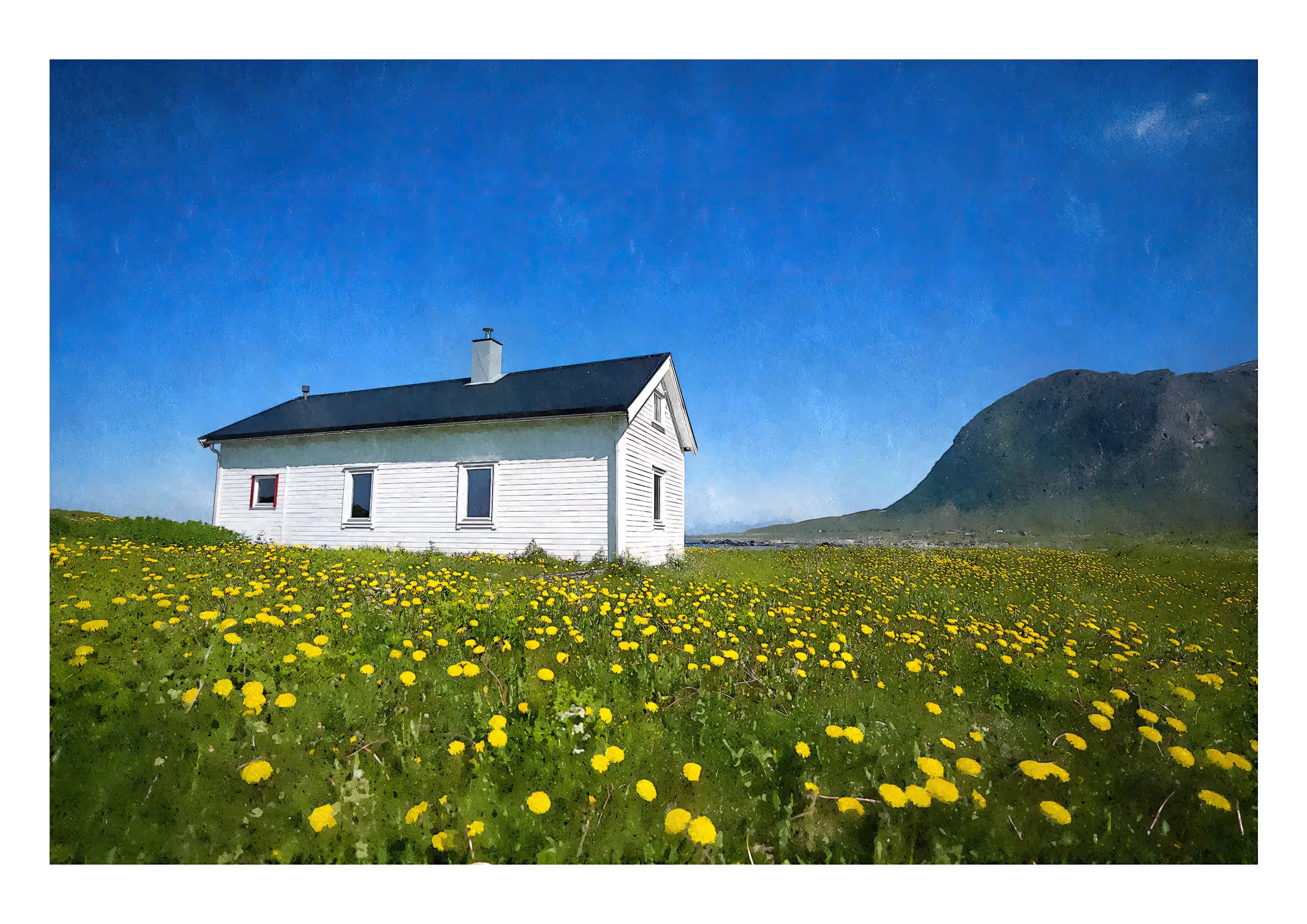
Creative photography pushes this even further. It invites the photographer to step beyond representation and into interpretation. Techniques such as Intentional Camera Movement (ICM), multiple exposure, long exposure, abstraction, and digital painting allow us to create images that are not simply “taken” but made. They are crafted, shaped, and coaxed into existence through artistic intent. In this way, the photographer becomes not just a recorder of moments, but a maker of visual poetry.
The Painterly Power of Intentional Camera Movement
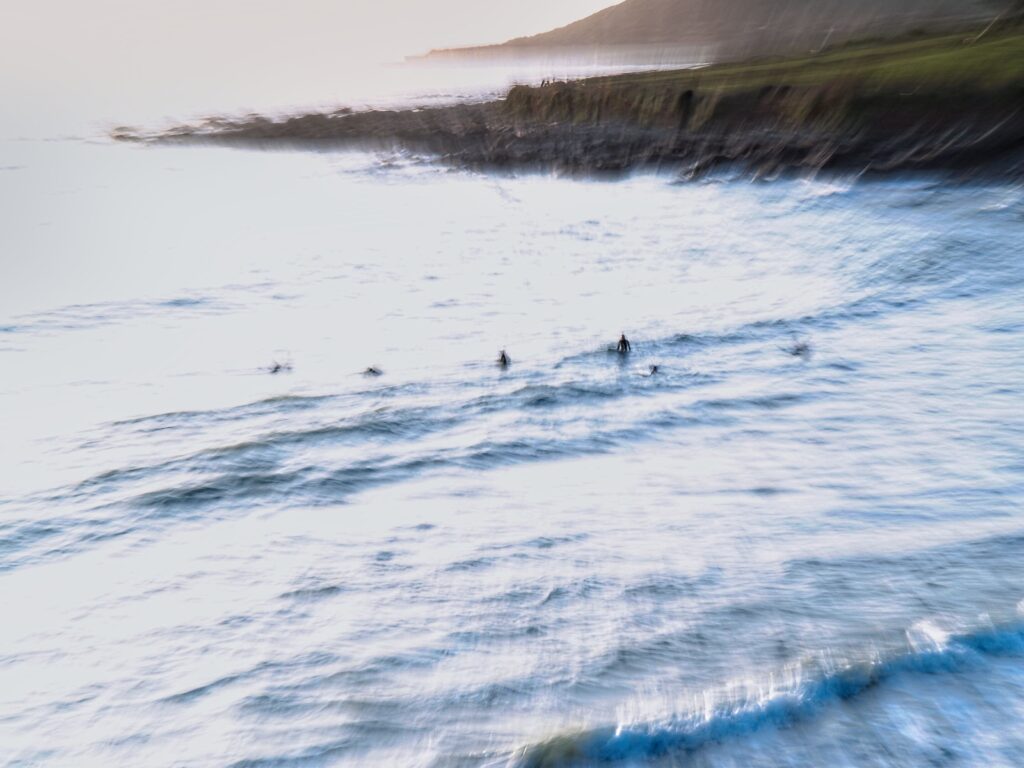
My own work is rooted in this belief. When I create an ICM image, I am not trying to capture a literal scene. I am trying to capture the feeling of a place — the atmosphere, the colour, the movement, the memory. ICM is often misunderstood as a technical trick, but in truth it is a deeply expressive technique. It requires intuition, rhythm, and a painter’s sensitivity to motion. The camera becomes a brush, the sensor becomes a canvas, and the landscape becomes pigment. The resulting image is not a conventional photograph; it is a painterly impression, a moment reimagined through movement and emotion.
The Tools That Transform Photography Into Art
To achieve this, I use a range of tools that extend photography into the realm of fine art. Some are physical tools — cameras, vintage lenses, filters — and some are digital, such as Photopea, Affinity Photo, or bespoke colour‑grading workflows. These tools are not shortcuts; they are creative instruments.
A painter uses brushes of different sizes, textures, and stiffness. A photographer uses lenses with different rendering qualities, sensors with different colour responses, and software that allows subtle, expressive shaping of tone and texture.
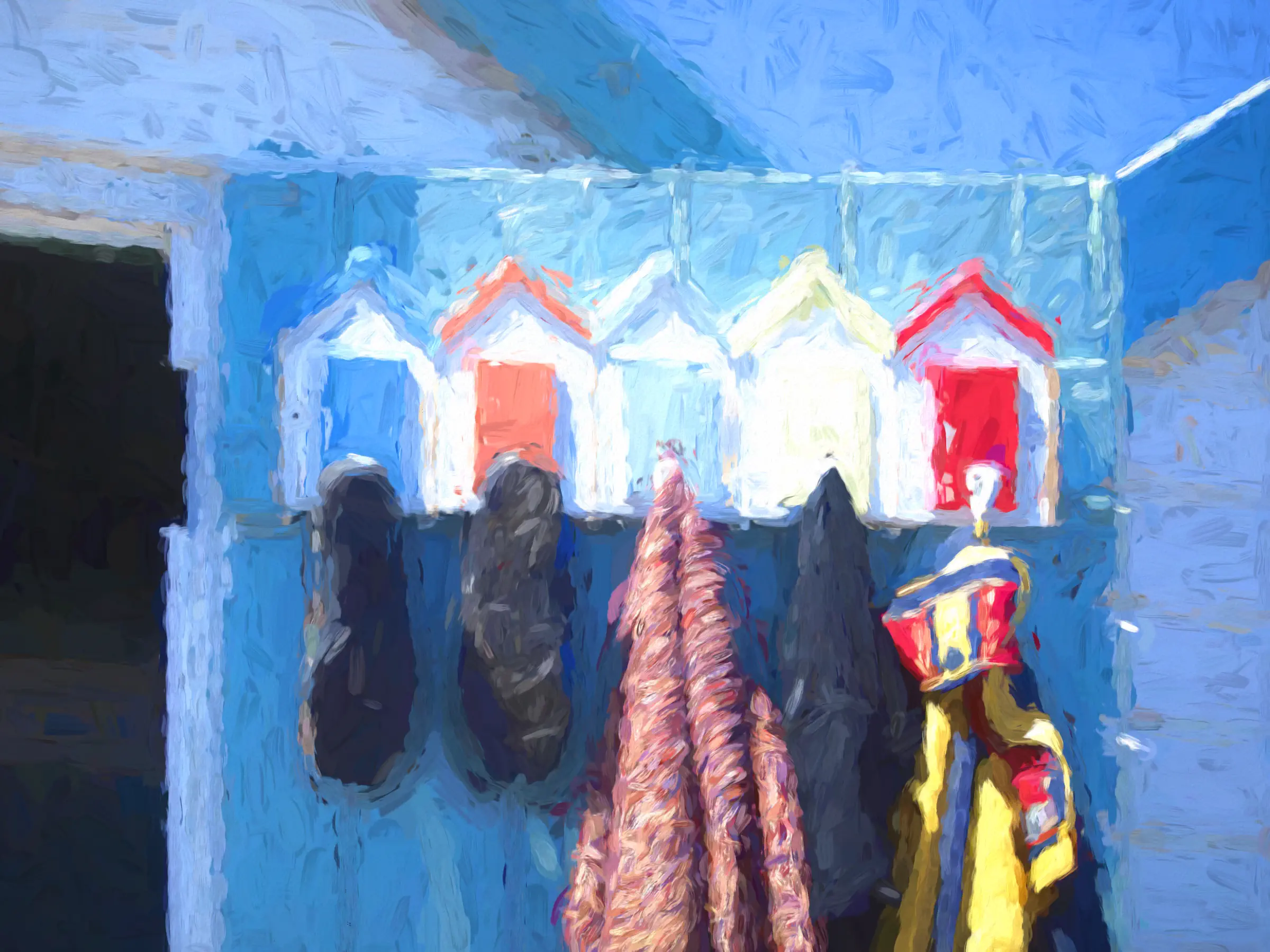
A CCD sensor offers deep, velvety colour and gentle grain that feels almost analogue. A vintage lens adds softness, warmth, and character that modern optics often polish away. Digital tools allow me to refine colour palettes, enhance painterly motion, and bring out the emotional qualities of the scene.
None of this diminishes the artistry. In fact, it expands it. Just as a watercolourist chooses pigments for their transparency or granulation, the photographer chooses tools for their expressive qualities.
Creative Tools as Liberation
This is where creative photography becomes liberating. When we stop thinking of photography as a technical craft and start thinking of it as an artistic medium, the possibilities open up. We are no longer bound by the expectation of sharpness, accuracy, or realism. We can embrace blur, abstraction, distortion, colour shifts, and painterly motion. We can create images that feel like dreams, memories, or emotional landscapes. We can use the camera not to record the world, but to reinterpret it.
Creative tools give us permission to explore. They allow us to break rules, push boundaries, and discover new ways of seeing. They encourage experimentation — the heart of all art. Painters experiment with washes, glazes, and textures. Photographers experiment with movement, exposure, colour, and digital manipulation. Both are searching for the same thing: a way to express something meaningful, personal, and resonant.
The Photographer as Artist
The truth is simple: photographers are artists. Not because they use a camera, but because they use vision, intention, and creativity to shape their work. The medium does not define the art; the artist does. Whether the tool is a brush, a pencil, or a camera, the act of creating — of transforming an idea into a visual experience — is fundamentally artistic.
Creative photography is not a lesser art form. It is a modern evolution of artistic expression. It blends the immediacy of the real world with the imagination of the artist. It invites us to see familiar places in unfamiliar ways. It turns landscapes into colour fields, architecture into flowing lines, and everyday moments into painterly impressions. It is a celebration of what photography can be when we allow it to breathe, stretch, and become something more.
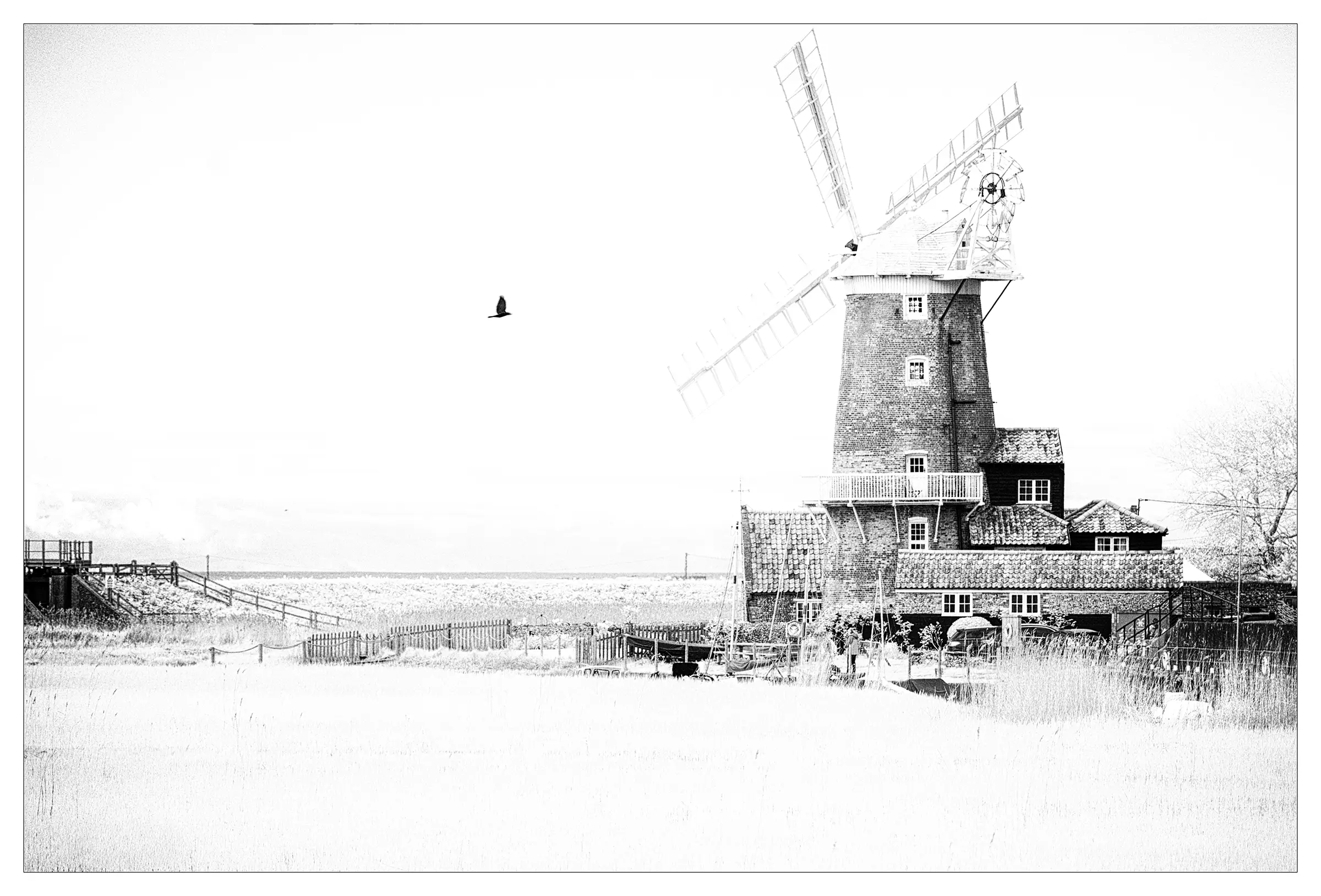
A Medium of Freedom
In the end, creative photography is not about technique. It is about freedom. It is about using artistic tools — both physical and digital — to explore the world with curiosity and emotion. It is about embracing the idea that photography is not just a way of seeing, but a way of feeling. And when we approach it with that mindset, we discover that the camera is not a machine. It is a brush. It is a voice. It is an instrument of art.