Creative photography is often described as a technical craft — a matter of lenses, exposure settings, sensor sizes, and the endless pursuit of sharpness. But anyone who has ever stood quietly with a camera in hand, waiting for a moment to reveal itself, knows the deeper truth. Photography is not simply a way of recording the world. It is a way of interpreting it. A way of shaping emotion, memory, and meaning. A way of elevating ordinary scenes into something that feels deeply human.
Creative photography is the point where craft becomes art.
It begins with intention. Not the intention to “take a good photo,” but the intention to say something — to express a feeling, a story, a fragment of the world that might otherwise pass unnoticed. When a photographer chooses to lean into creativity rather than documentation, the camera becomes less of a tool and more of a brush. The frame becomes a canvas. And the resulting image becomes a conversation between the artist and the viewer.
This is where photography steps beyond representation and into expression.
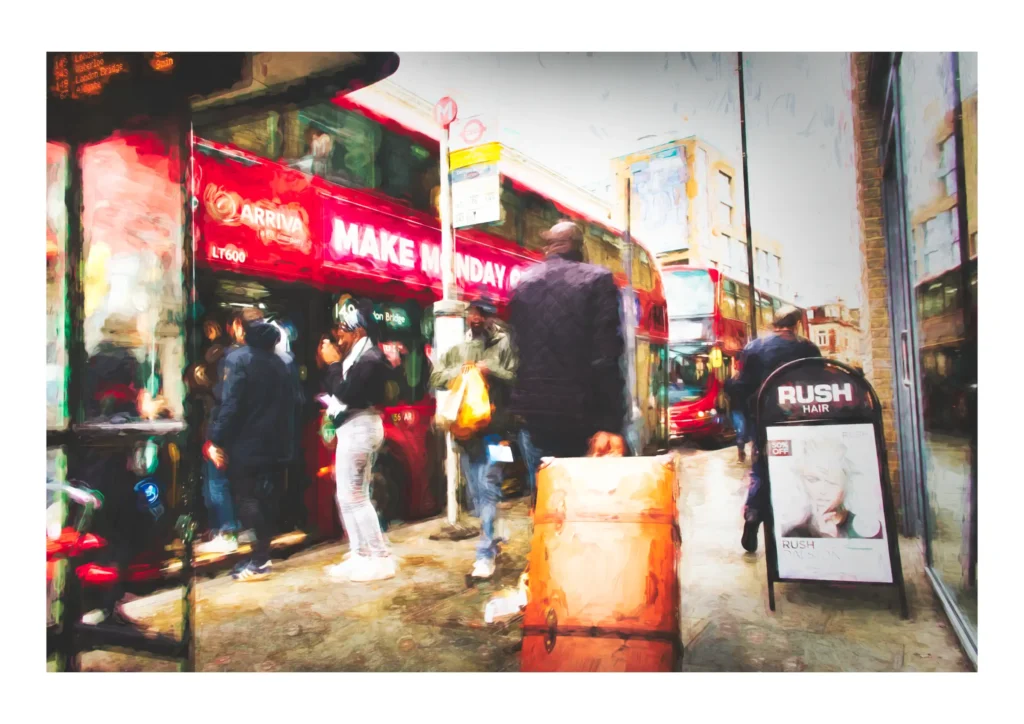
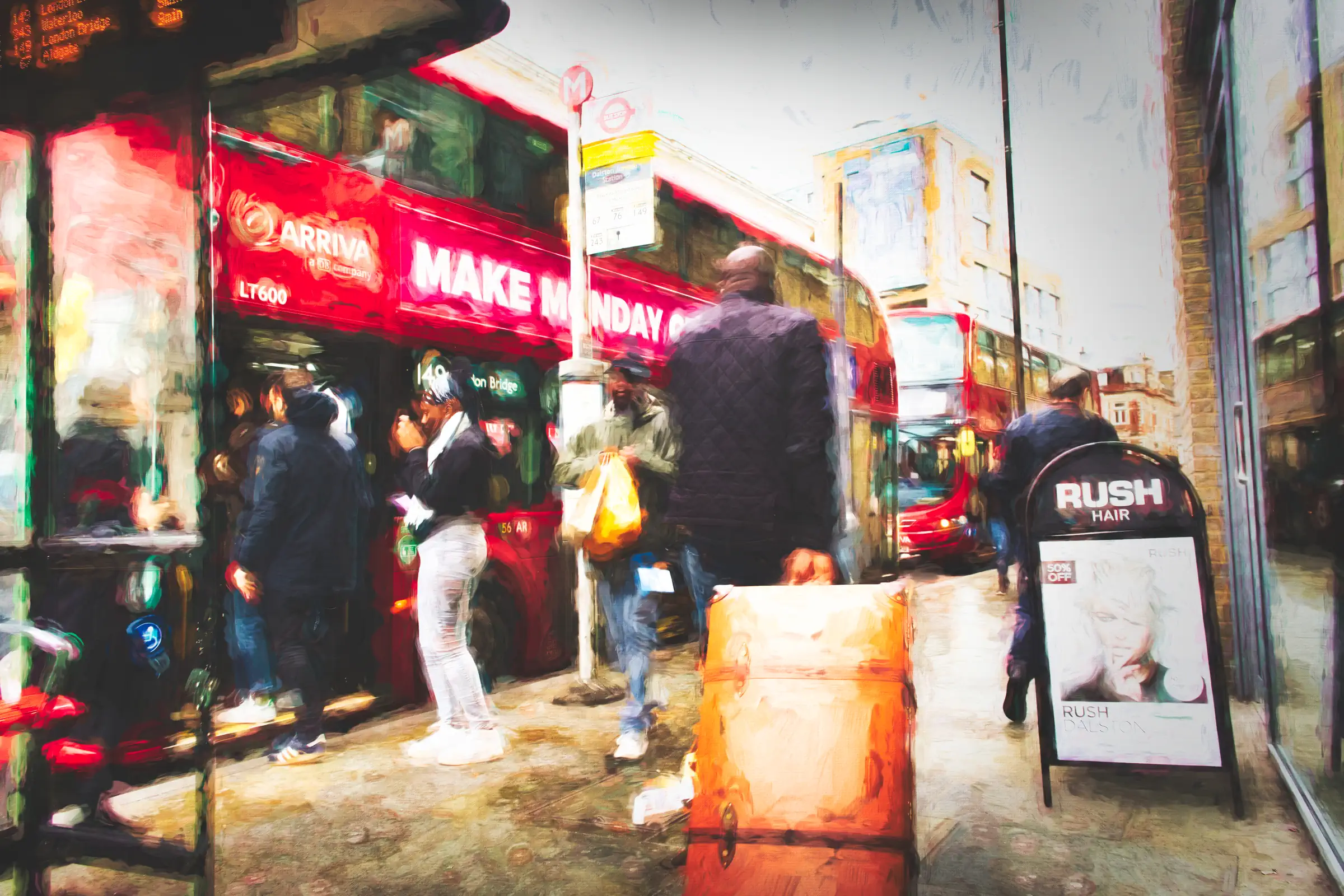
Creative photography elevates art because it allows us to see familiar subjects in unfamiliar ways. A street corner becomes a stage for colour and geometry. A quiet harbour becomes a study in mood and atmosphere. A simple reflection in a window becomes a layered story about presence and absence. The world does not change — but our way of seeing it does.
And that shift in perception is the essence of art.
The Power of Interpretation
Every photograph is an interpretation, whether we acknowledge it or not. The choice of angle, the decision to include or exclude, the moment we press the shutter — these are acts of selection. Creative photography simply pushes that selection further. It asks: What do I want this scene to feel like? What do I want the viewer to sense? What part of this moment matters most?
This is why two photographers can stand in the same place, at the same time, and produce images that feel entirely different. One might lean into realism, capturing the scene as it is. The other might lean into mood, shaping the light, colour, or composition to evoke something deeper.
Neither approach is wrong. But only one transforms the moment into art.
Creative photography elevates art because it embraces the idea that reality is not fixed. It is fluid, emotional, subjective. It changes depending on who is looking — and how they choose to look.
Tools That Liberate, Not Restrict
There is a misconception that creativity in photography comes from equipment. That better cameras produce better art. But the truth is simpler: tools only matter when they help the photographer express what they feel.
A painter chooses brushes not because they are expensive, but because they create the right stroke. A sculptor chooses chisels because they shape the right edge. A photographer chooses lenses, filters, and post‑processing techniques because they help reveal the mood they sensed in the moment.
Creative photography elevates art because it treats tools as instruments of expression, not symbols of status.
A slow shutter can turn movement into poetry. A shallow depth of field can turn chaos into calm. A muted colour palette can turn a busy scene into something contemplative. A bold contrast can turn an ordinary street into a dramatic stage.
These choices are not technical tricks. They are artistic decisions.
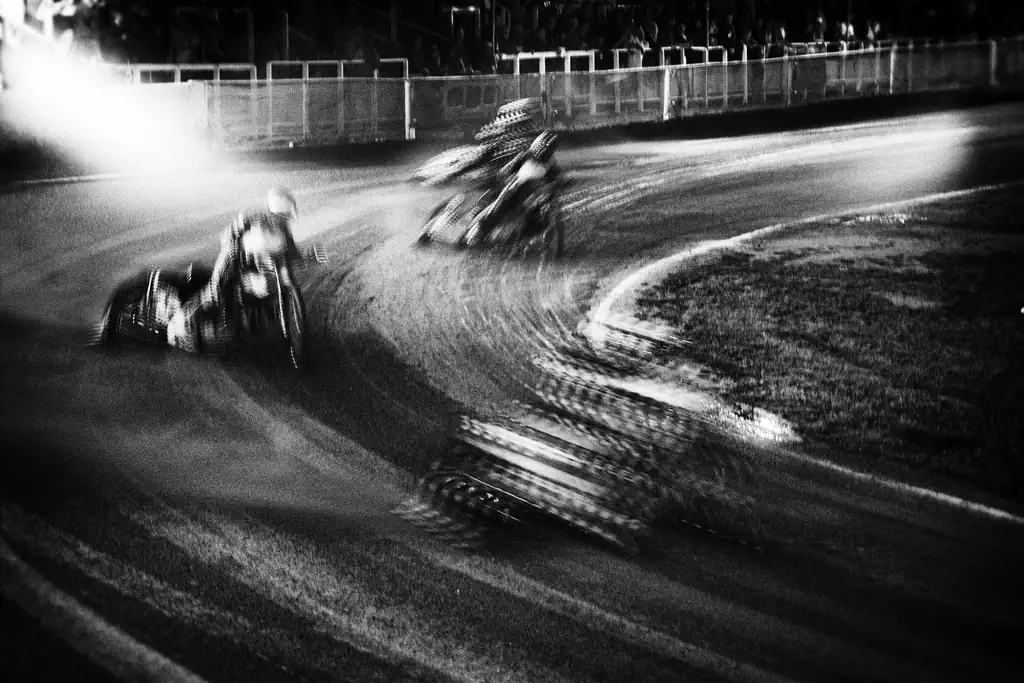 Plymouth Speedway action captured using a vintage lens at low shutter speed
Emotion as the Guiding Force
At its heart, creative photography is emotional. It is driven by curiosity, wonder, nostalgia, melancholy, joy — whatever the photographer feels when they encounter a moment worth remembering.
This is why creative photography resonates so deeply with viewers. People do not respond to technical perfection. They respond to feeling. They respond to the sense that the photographer saw something meaningful and wanted to share it.
When photography becomes a vessel for emotion, it becomes art.
Elevating Everyday Beauty
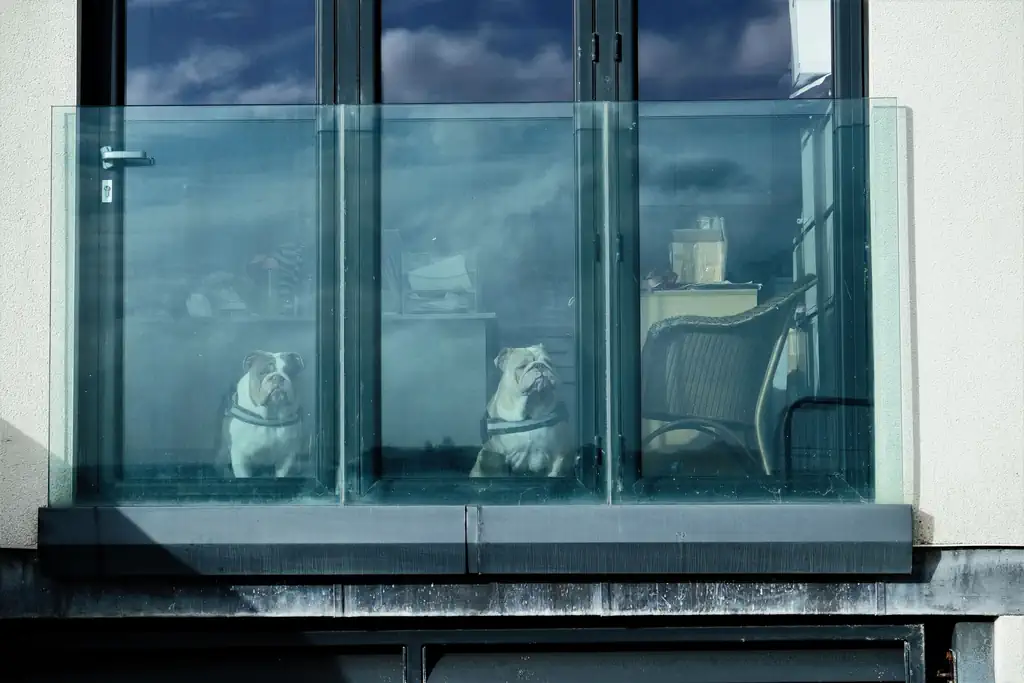
One of the greatest gifts of creative photography is its ability to elevate the everyday. A quiet street at dusk. A reflection in a puddle. The soft texture of peeling paint. The way morning light touches a window frame. These are not grand subjects. They are not dramatic landscapes or iconic landmarks. They are fragments of ordinary life — transformed by the photographer’s eye into something worth pausing for.
Creative photography elevates art because it teaches us to notice beauty where others walk past it.
A Conversation Between Artist and Viewer
Ultimately, creative photography is a dialogue. The photographer speaks through light, colour, and composition. The viewer responds through interpretation, memory, and emotion. The image becomes a meeting place — a shared moment between two people who may never meet, but who connect through the language of art.
This is why creative photography matters. This is why it elevates art. This is why it continues to evolve, inspire, and captivate.
Because at its core, creative photography is not about cameras. It is about seeing — deeply, honestly, and with imagination.