Though The Creative Camera has grown into the fine‑art print marketplace you see today, at our core we’re still visual artists — still photographers. That means we care deeply about the tools we use. Whether it’s a Sony A7R VI, the beautifully compact Sony A7C II, the surprisingly capable Lumix S5, or my personal favourite, the 10 year old Fuji X‑T1, the camera is only half the story. The real magic often begins when you mount a truly great vintage lens.
And that’s what we’re talking about here. Why? Because a good vintage lens on a modern camera produces images with character — images with soul.
The Magic of Vintage Glass
There’s something genuinely special about a well‑made vintage lens. Take the Carl Zeiss Pancolar 50mm f/1.8, for example — a thorium‑coated tone monster with rendering that modern lenses simply don’t try to replicate. Mount it on a classic digital body like the Lumix L1 (or Leica Digilux 3), or even early Panasonic DSLRs like the E1, E300 or E500, and suddenly you’re in a different world. Not better or worse — just different. More human. More emotional.
Compare that to a Sony A7R IV with a modern f/2.8 zoom: the results will be flawless, clinical, technically perfect. But perfection isn’t always the point.
Embracing Imperfection
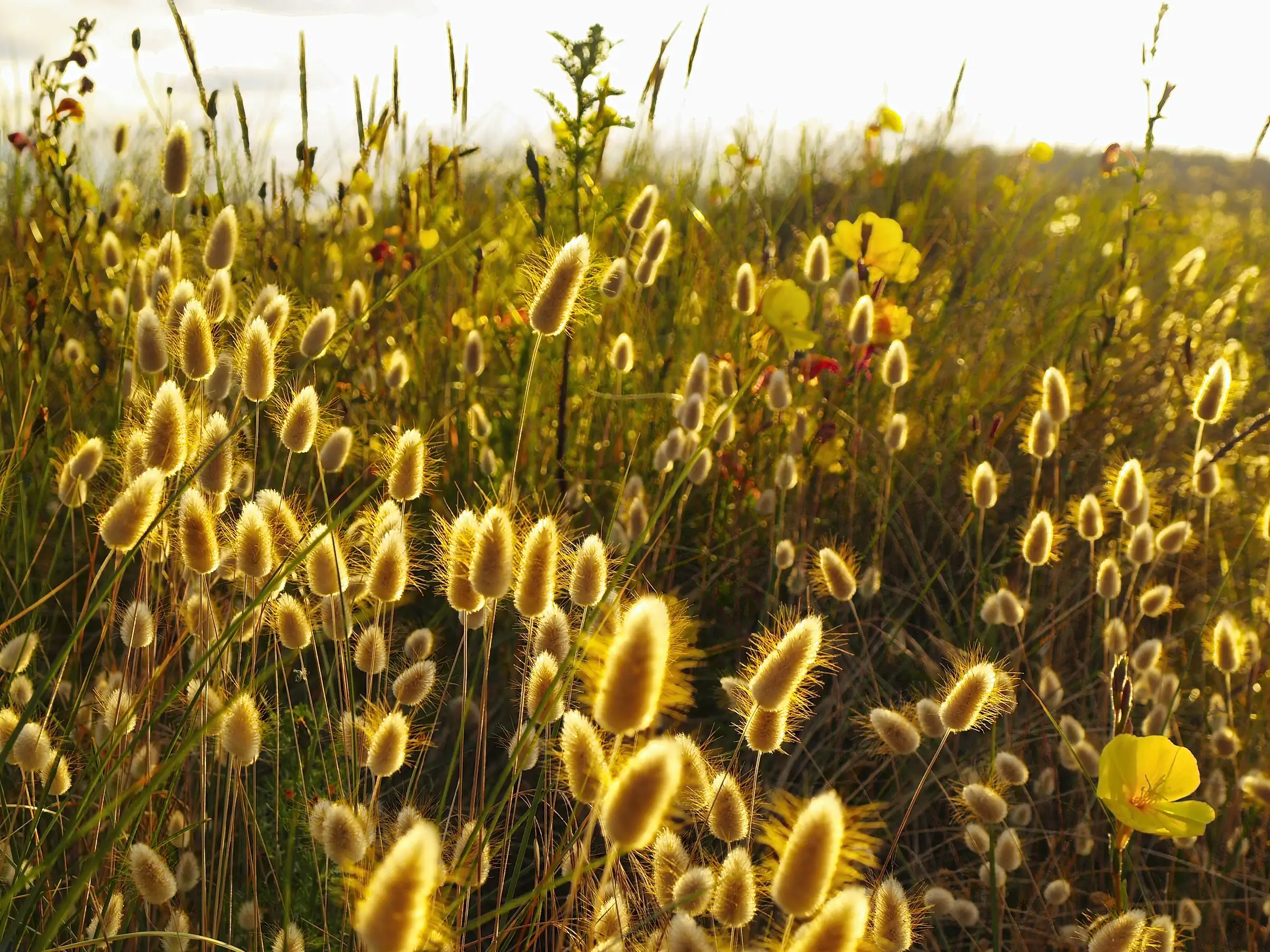
With a vintage lens fitted, we’re not chasing the sharpest, cleanest, most technically immaculate image ever recorded. We’re chasing emotion — the subtle imperfections, the gentle fall‑off, the unpredictable tones and colours that give an image its atmosphere. The image above for example was shot with a Panasonic E300 combined with an old 14-54mm f2.8-3.5 lens. It was shot in manual focus mode close-in to force some out of focus areas while maximising the effect of the backlit flowers. Personally, I think it worked really well.
I’m not anti‑perfection. Far from it. But I am pro‑character. If an image is a touch soft, who cares? Unless you’re a pixel‑peeper, you’ll never notice. And even if you do, that softness often adds to the mood.
Shooting a manual vintage lens introduces a little jeopardy — a moment where you’re not entirely sure what you’ll get. For me, that’s part of the thrill. It keeps you engaged. It keeps you honest. And it rewards you with tones and colours that feel alive.
Modern Cameras + Vintage Lenses = A Beautiful Partnership
Move away from vintage bodies and onto modern digital cameras, and the results can be astonishing. Pair a high‑quality vintage lens — a Hexanon 40mm f/1.8, a CZJ Pancolar 50mm f/1.8, or a Canon FD 28mm f/2.8 — with a modern sensor, and you’ll quickly understand why so many photographers fall down the vintage‑lens rabbit hole.
These lenses are solid, reliable, beautifully engineered, and capable of producing images with tones to die for. No fuss. No over‑correction. Just honest, characterful rendering.
If You Love Experimenting…
If you’re like me — if you enjoy experimenting, enjoy walking the line between precision and chaos, and prefer emotion over mathematical perfection — then your next purchase should absolutely be a high‑quality vintage lens.
Not because it’s trendy. Not because it’s nostalgic. But because it will change the way you see, shoot, and feel your photography.
Vintage lenses don’t just capture images. They capture character.
Charles David