Someone asked me the other day why I use vintage cameras & lenses in my photography. They went on to ask if it made much difference to the end result. Great questions, and not really easy to answer. I told them that for me it was about the jeopardy associated with the capture, the slight errors in focus due to older manual lenses, and the unpredictability that comes with using equipment that isn’t doing all the thinking for you. Modern cameras are incredibly capable, but they remove a lot of the decision‑making. With older gear, you have to slow down, judge the light properly, commit to a setting, and accept that things might not be perfect.
That’s the part I enjoy. It keeps me engaged. It forces me to pay attention. And yes, sometimes the results are technically imperfect — but those imperfections are often what make the image feel more honest and more intentional. It’s less about nostalgia and more about staying connected to the process rather than letting automation take over.
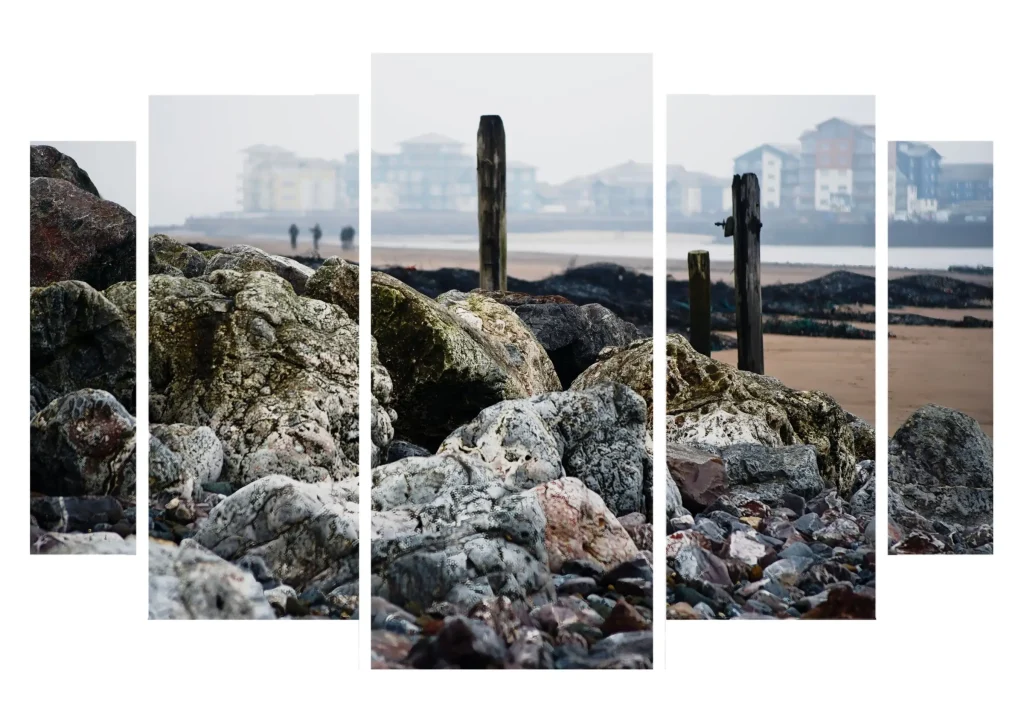
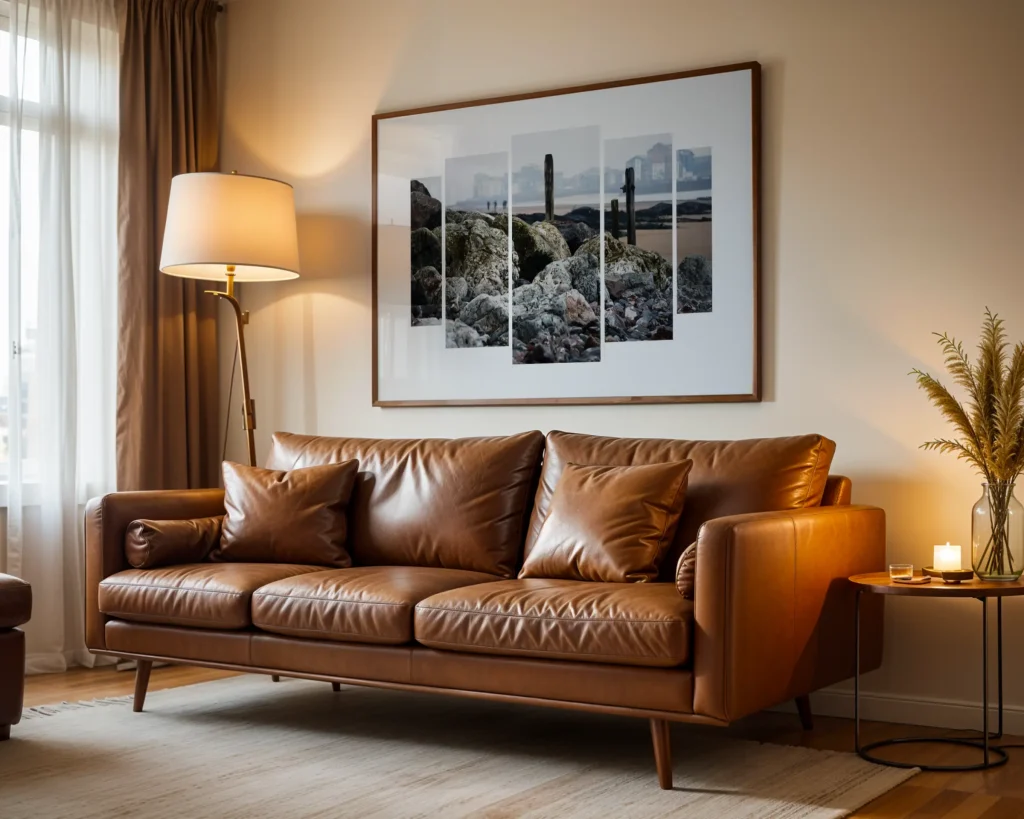
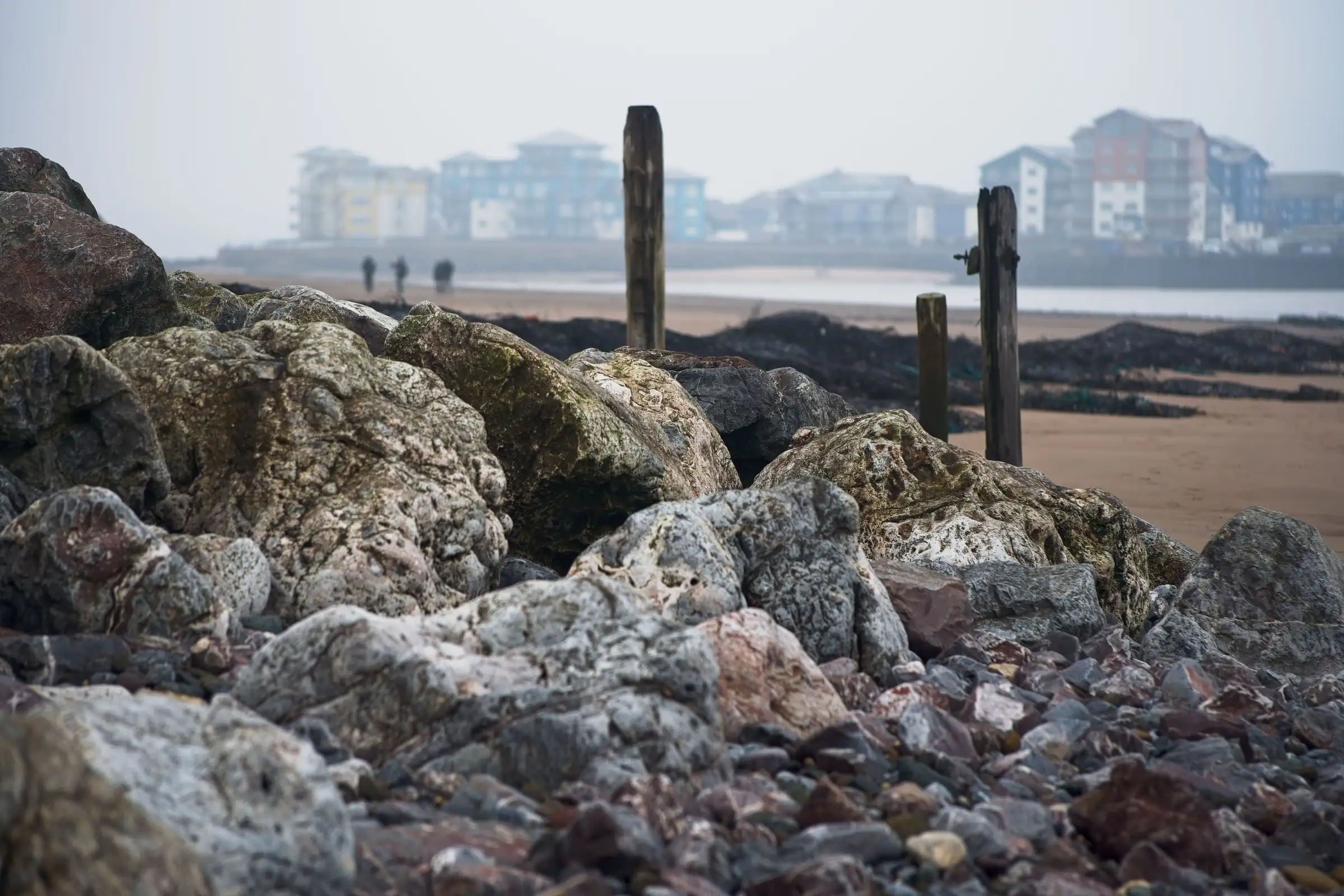
So, let’s take an example of how I see the world through the lens, and how I see the final product. In this image above you see the photograph I captured during a recent shoot. I shot this on a modern camera, the Lumix s5 but with a vintage lens, in this case the Meyer Optik Gorlitz 135mm. This resulted in an image exhibiting a very narrow depth of field and focal point. While this image garnered a lot of attention when I first showed it, I had another idea for this image in my mind. You can see this in the second and third images. This is the product you can buy in our webshop – visit Exmouth View Over The Exe – The Creative Camera
Most people’s next question is, what did you use to create the final image? Since I started with a photograph I typically start my edit using On1 Photo RAW, in this case the latest 2026 version. I prefer On1 for this type of work as it’s a complete editor whereas if I used Adobe I would be forced to use both Lightroom and Photoshop. I do use these tools but for a straight edit like this, it’s just easier to use On1.
Once I have created the candidate image I move to my creative tools which include Dynamic Auto Painter, Topaz Studio, Smart Photo Studio, Coral Painter and others, these help me create and perfect the final product. For this product I used only On1 Photo RAW and Smart Photo Studio but I often use a number of tools on my creations in order to achieve the final result. This process can take some time as I often modify my approach based on the results I am achieving. For example, Dynamic Auto Painter is far from automatic, this takes a lot interaction to create art works I am happy with.
I hope that this short insight into the processes I use has been of interest, please feel free to let me know your thoughts in the comment box.
Charles